Проект

О проекте
О проекте
О проекте
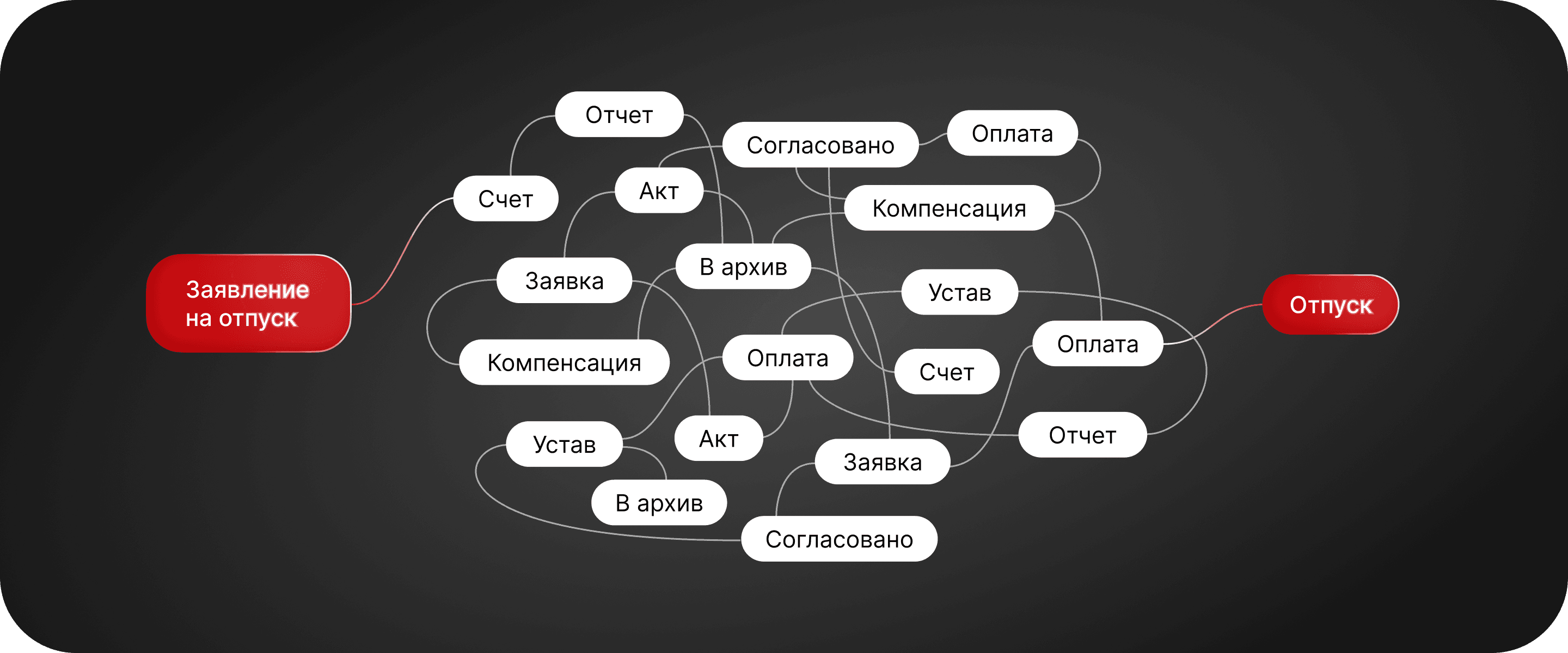
HR-специалисты уже давно не заполняют документы вручную, а используют автоматизированные коробочные решения. Но когда в организации несколько крупных филиалов или нужно вести документацию в группе компаний, приходится объединять разные сервисы. Писать с нуля собственное решение долго, дорого и невыгодно, а упрощать и автоматизировать HR-процессы все равно нужно, чтобы уменьшить вероятность человеческой ошибки и увеличить время HR на выполнение действительно важных задач.
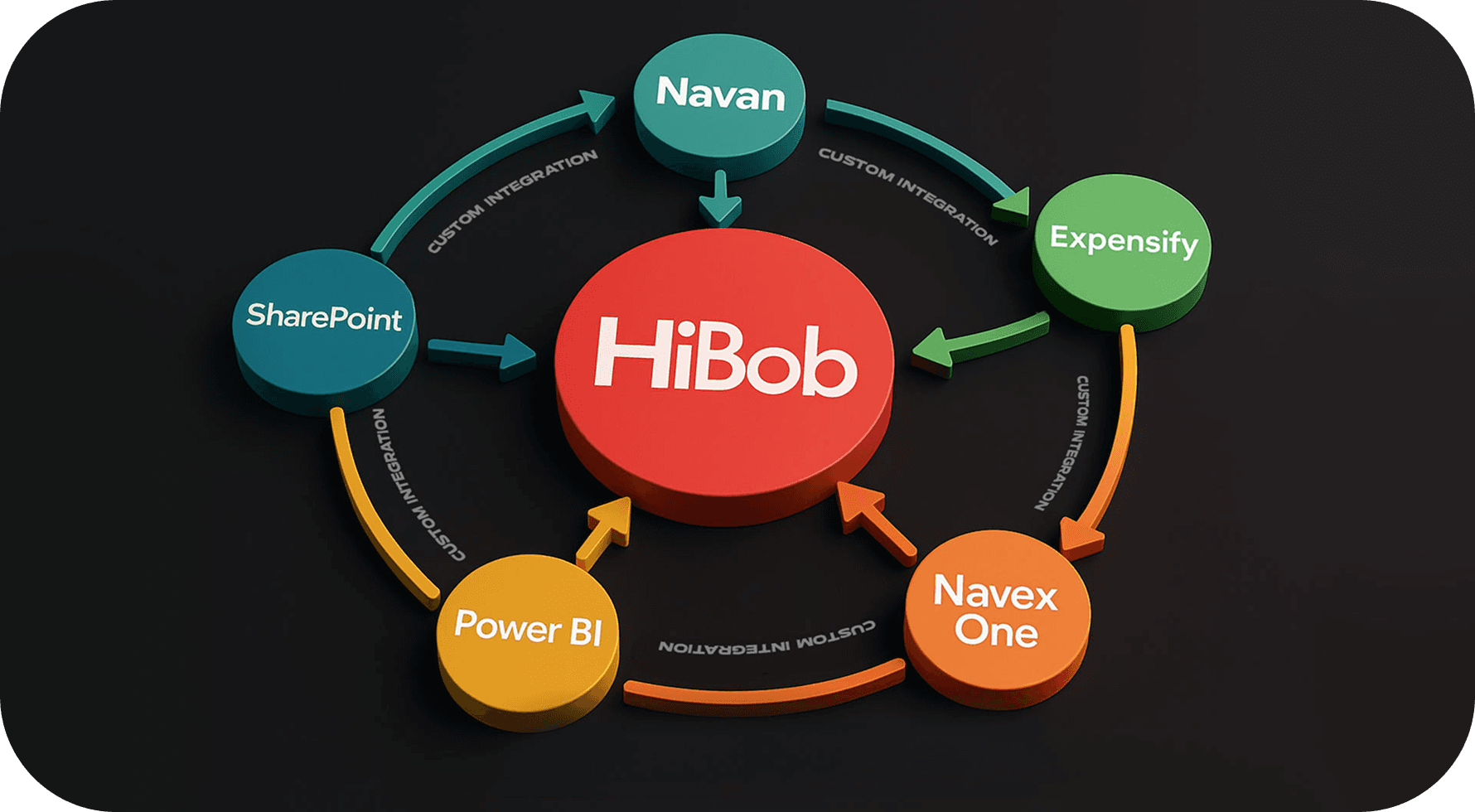
Основной HRIS (HR Information System) нашего заказчика является HiBob. Это большая кастомизируемая система, которая «из коробки» предоставляет функционал онбординга, отчетов, управление отпусками и командировками и многое другое. Помимо HiBob заказчик использует и другие системы, которые предназначены для упрощения отдельных процессов, например,
Navan — корпоративную систему для управления командировками (включая букинг билетов),
Expensify — для управления расходами и компенсациями,
Navex One — управление рисками и соблюдением требований,
Power BI, Sharepoint — для отчётов,
TeamTailor — для рекрутинга и др.
Некоторые из этих систем поддерживают «из коробки» интеграции друг с другом, но оставался большой пласт задач, решить которые встроенными средствами автоматизации не удавалось из-за того, что требуемая автоматизация отсутствует, либо она не удовлетворяет требованиям. Из-за этого кучу монотонной работы приходилось делать и HR-специалистам, и самим сотрудникам.
проект в цифрах
0филиала и головной офиc
0сотрудников в IT-холдинге
0месяцев работали над проектом
РЕШЕНИЕ
РЕШЕНИЕ
РЕШЕНИЕ
Мы построили множество интеграций между сервисами, расскажем об основных.
- Автоматизация части задач внутри HiBob.
Проблема: не все задачи получается решить встроенными инструментами HiBob. В зависимости от бизнес-логики изменение одного поля сотрудника должно приводить к изменению нескольких других полей согласно правилам.
Решение: мы обобщили эту логику и реализовали целый ряд процессов, которые выполняют маппинг полей по правилам заказчика. Реализовали процесс, который проверяет консистентность данных сотрудника и уведомляет, если какие-то данные не заполнены или заполнены неправильно. В холдинге заказчика 4 компании, каждая из которых использует HiBob в качестве основной HRIS-системы, и наши процессы работают с четырьмя инстансами HiBob сразу!
Результат: за полгода наша система успела изменить в общей сложности более 70 000 полей, что существенно упростило и автоматизировало работу HR.
- Согласованное управление командировками из Navan.
Проблема: сотрудники бронируют билеты на самолет, отели с помощью Navan, после бронирования они должны не забыть занести информацию о командировке в HiBob, так как это главная HRIS-система, а если командировка отменилась — не забыть её удалить из HiBob. Часто сотрудники забывают это делать. К сожалению, Navan не имеет интеграции с HiBob «из коробки», которая позволила бы автоматизировать процесс управления командировками в HiBob.
Решение: мы написали интеграцию, которая автоматически управляет в HiBob командировками сотрудника, созданными в Navan, прикладывает документы о бронировании места в самолете, отеле и так далее; информирует ответственных по email, если некоторые командировки одного сотрудника в HiBob пересекаются.
Результат: мы полностью сняли с плеч сотрудников ответственность за поддержание консистентности данных о командировках в двух системах. И исключили человеческий фактор при переносе данных между системами.
- User Provisioning HiBob → Navex One
Проблема: Navex One — cистема, которой пользуются сотрудники, она «из коробки» не имеет интеграции с HiBob, позволяющей управлять аккаунтами пользователей согласованно. HR должны вручную создавать аккаунты для новых сотрудников, удалять аккаунты уволенных и так далее.
Решение: мы написали интеграцию, которая держит аккаунты в Navex One в консистентном состоянии: создает, удаляет и изменяет их в соответствии с данными в HiBob.
Результат: теперь нет необходимости постоянно следить за тем, кто имеет доступ в Navex One, а кто — нет. Аккаунты всегда находятся в консистентом состоянии относительно HiBob.
- User Provisioning HiBob → Expensify
Проблема: Expensify — система управления расходами сотрудников. Здесь проблема та же, что и с Navex One, только логика менеджмента аккаунтов намного сложнее: у каждого сотрудника появляется цепочка людей, согласующих расходы. В результате появляется целый граф связей, который вручную поддерживать в консистентном состоянии почти невозможно.
Решение: мы реализовали целый набор процессов, которые поддерживают граф в консистентном состоянии, создают нужные связи и рекурсивно их удаляют.
- Сложные отчёты. Power BI. SharePoint.
Проблема: HR-специалистам требовалась агрегированная информация из разных систем по каждому сотруднику. Такое HiBob не умеет делать, поэтому им приходилось собирать большие отчеты руками, на что уходило много времени.
Решение: мы реализовали систему, создающую различные отчеты по сотрудникам для HR. Часть отчетов собирают информацию о поездках сотрудников и передают их в Power BI для настройки дальнейшей автоматизации. Часть отчётов собирают информацию о сотрудниках из разных систем (например, HiBob и Expensify), агрегируют её и кладут в SharePoint для дальнейшего просмотра HR-специалистами.
Результат: заказчики начали получать нужные отчеты и вовремя реагировать на изменение важных метрик.
РЕЗУЛЬТАТ
РЕЗУЛЬТАТ
РЕЗУЛЬТАТ
В результате получилась система, которая
- автоматизирует более 20 бизнес-процессов заказчика
- исключает ошибки при использовании HR-сервисов из-за человеческого фактора
- ежемесячно уменьшает затраченное сотрудниками время на рутинные задачи на сотни часов.
Мы создали систему, которая помогает HR-специалистам, а не работает против них. С помощью неё HR-специалисты получают возможность выбирать инструменты исходя из своих потребностей, а не технических ограничений систем по взаимодействию друг с другом, ведь теперь мы решаем вопросы автоматизации монотонной, но важной части их работы.

РЕАЛИЗАЦИЯ
РЕАЛИЗАЦИЯ
РЕАЛИЗАЦИЯ
Для решения этих проблем мы занялись написанием и поддержкой собственной системы для интеграции сервисов, используемых нашим заказчиком, между собой.
Система архитектурно получилась полностью бессерверной и использует по максимуму возможности, которые предоставляет Azure.
Мы использовали Terraform для декларативного описания ресурсов, которые нужны для работы системы. Из-за того, что ресурсов создается много — у заказчика 4 различные компании и для каждой нужны 2 среды окружения, для которых нужны одинаковые процессы, но с разной конфигурацией, нужно было 8 раз дублировать всю инфраструктуру, состоящую из нескольких десятков ресурсов. Но благодаря тому, что инфраструктура создавалась и поддерживалась в актуальном состоянии с помощью Terraform, нам удалось максимально оптимизировать и сократить доставку изменений и исключить различия в конфигурации ресурсов в облаке.
Бессерверность решения также позволила сократить затраты за потребление ресурсов в десятки раз относительно того, сколько стоило бы аналогичное серверное решение.
В результате чего затраты на поддержание инфраструктуры были сведены к минимуму, а большая часть времени уходила на реализацию бизнес-логики.